|
The Clean Energy
Shell Game
For the first time in the
history of the United States, electricity buyers have a choice. Now your power
doesn't have to come from coal-, gas- and other fossil fuel-burning plants that
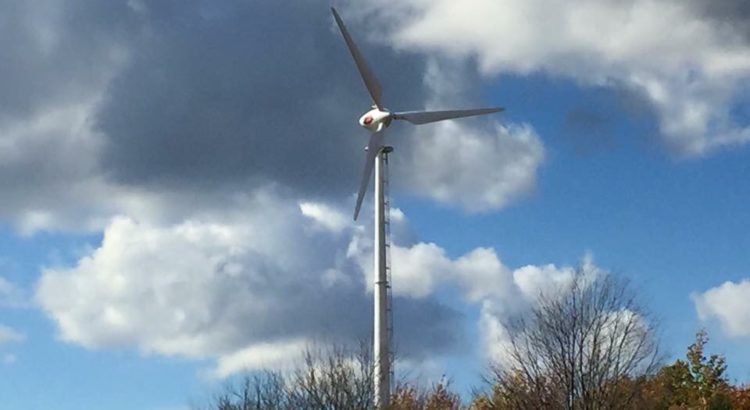
serve as the largest Across the United States, buyers may now purchase "clean" kilowatt-hours from wind turbines perched atop ridges in Wyoming and Colorado, solar panels that cap parking structures in California, or geothermal power plants that harvest 500-degree underground temperatures. According to the American
Wind Energy Association in Washington, D.C., more than 140 utilities in the
U.S. are now offering "green" power from renewable energy sources,
while some unregulated energy companies are LET'S MAKE A DEAL Nevertheless, buyers may feel they need advanced degrees in environmental studies and economics to wade through an energy company's befuddling list of energy alternatives, energy mixtures, pricing items, and sometime questionable claims about which kinds of power are truly "clean." In fact, Kirk Brown, assistant
director of San Francisco's Center for Research Solutions (CRS), one of a handful
of organizations that "certify," or guarantee, that clean power in
truly clean through Just look at GreenMountain.com,
which is based in South Burlington, Vermont, and is the largest green power
marketer in the United States. They offer a product that includes renewable
energy mixed in with more That said, pricing terms
vary from one company to another. Some sellers offer green energy in "blocks,"
others in kilowatt-hours, still others for a monthly fee. In general, green
power costs 10% to 30% more than conventional sources of electricity. To further
confuse buyers, companies haven't been completely honest about the sources of
their power. In a test program in the mid-1990s, Northeast Utilities in "If you say it's green,
it ought to be deep forest green, not lime green or aqua," says Angus Duncan,
president of the Bonneville Environmental Foundation in Portland, Oregon. "Consumers
need to comprehend where the kilowatt-hours come from before color-coding their POWER SOURCES The real problem, however, is that about 56% of electricity in the U.S. is generated by coal-fired plants that produce the world's most notorious greenhouse gas: carbon dioxide. According to the Natural Resources Defense Council (NRDC), global concentrations of carbon dioxide have increased by about 30% over the last century. Much of the rest of the electricity mix comes from the other unfriendly producers: gas-fired units, which also release carbon dioxide; nuclear reactors, which spawn nuclear waste; and hydroelectric plants, which are ill-equipped to allow fish to pass unharmed through their giant turbines. "Our object, over time, is to change the mix so there are fewer and fewer coal and gas and more low-impact hydroelectric, wind and solar plants creating the electricity," Duncan says. Until recently, consumers
had no choice but to purchase "brown" power from regulated monopoly
utilities. The utilities sold nonrenewable power because these were the least
expensive options. However, customers may now have more choices for two reasons.
First, prices for alternative sources of energy-especially wind power-have dropped
dramatically in recent years because of technological improvements. "The utility see green
power as a way of keep the environmentalists off their backs," says Eugene
Rosalie, director of Northwest Environmental Advocates' program Renew 2000.
"They want the customers to see Still, it's wise to keep an eye out for the regulated utilities, which are most likely to deceive their customers. "In regulated regions, you don't have that neverending, pots-and-pans, banging-on-drums criticism you get in unregulated markets," says CRS's Kirk Brown. "In regulated states, utilities' competitors won't take out full-page ads and say 'Don't buy this one.'" In states where policy-makers
have deregulated the electric industry, new companies believe that consumers
are willing to pay extra for clean kilowatts because they want to make the world
a little greener. FUTURE OPTIONS Public Service Company
of Colorado, a regulated utility in Denver, offers Windsource, a program that
allows customers to invest directly in the construction of new wind power plants.
Customers pay $2.50 per month for each 100-kilowatt-hour "block" of
wind power in addition to the $7 they'd normally pay for that much power. The
utility says that buying 100-kilowatt-hours of wind power reaps the same environmental
benefits as planting a half-acre of trees or refraining from driving a car 2,400
miles. In states like California, where the electric industry Thomas H. Rawls, vice president and chief environmental officer of GreenMountain.com, claims that different types of power generation reflect different levels of virtue. "The products are
differently to suit different pocketbooks," he says. "I refer to it
as different levels of virtue in a product. Choose a level of virtue that you
are comfortable with and match it up with a "The most important thing is that people choose, and choose something better than their standard power," adds Peter West, senior policy associate at Renewable Northwest in Portland, Oregon. If a company says its clean
energy includes power from "the traditional mix," consumers should
ask if coal, gas or nuclear plants provide some of the power. If green energy
is combined with brown energy, consumers Soon, consumers will be able to rely on the advice of the newly formed Low-Impact Hydroelectric Institute, which will "certify" that hydro plants don't harm fish. In the meantime, if the hydroelectric facility is located that is or once was home to wild-fish runs, consumers should confirm that the plant owner built fish ladders to ensure fish are able to pass by turbines without being drawn into them. "Hydroelectric facilities
should meet fish protection standards proposed by American rivers," says
West. Biomass energy, like hydroelectricity, is another form of clean energy
that is not always forest green. Biomass plants burn all kinds of waste to produce "Typically that kind of biomass is left to rot, which creates emissions or storage problems. It's cleaner to combust it," says CRS's Brown. Once you find green power
that is truly environmentally friendly, ask when the utility will begin feeding
it into the grid. Brown suggests that some Northwest utilities collect money
from their customers, then "A utility should not take money from a customer for renewable energy unless the utility is delivering renewable energy," says Brown. In addition to asking questions about when green power will be delivered, you should be sure and understand how much you will pay. Is the energy 10%, 20% or 30% more expensive than traditional sources of power for each unit of energy? When utilities sell power in blocks for a monthly premium, it's difficult to calculate the true price of the product. E Source's Komor says customers shouldn't balk at the cost if it seems high. "You usually don't have to supply all your electricity needs with renewable energy," he says. "Just decide how much you can afford." A higher price may reflect a company's plans to invest in marketing, which will allow the company to reach more buyers. Finally, it's critical to determine how energy companies will use the extra dollars. Will utilities funnel all the money back to their shareholders? Or will they use it to construct new renewable energy plants whose output will replace polluting energy from coal-fired units? "If customers pay
a premium, they have right to know the world will be a little greener,"
says Duncan. "They don't want to know that the profits will go to people's
back pockets." *forward*
|